

For decades, one of the first things many people with heart palpitations, high blood pressure, or an irregular heartbeat were told was simple: give up the coffee.
That advice has just been formally revisited. In July 2026, the American Heart Association published a comprehensive scientific statement in its journal Circulation, synthesizing decades of research on coffee and cardiovascular health. The conclusion, for most people, is reassuring — and the reasoning behind it echoes principles we work with every day in naturopathic practice.
We wanted to walk you through what it says, and what it doesn’t.
Moderate coffee consumption — roughly three to five 8-ounce cups daily — is not harmful for most people. In several areas, it appears actively protective.
| Outcome | What the research shows |
|---|---|
| Coronary artery disease | Lowest risk around 2–3 cups daily; no increased risk up to 6 cups |
| Stroke | 3–4 cups daily associated with a 21% reduction in risk |
| Heart failure | Lowest risk observed at about 4 cups daily |
| Type 2 diabetes | 3.5 cups linked to 20% lower risk; 5 cups to 30% lower, across 28 studies |
| Atrial fibrillation | Neutral to lower risk — see below |
The atrial fibrillation finding is the most striking reversal. In a randomized trial of patients with a history of AFib scheduled for cardioversion, participants were assigned either to avoid caffeine entirely or to drink at least one cup of coffee daily. The coffee group saw a 39% reduction in recurrence. Current cardiology guidelines now advise against telling patients to eliminate caffeine to manage AFib risk.
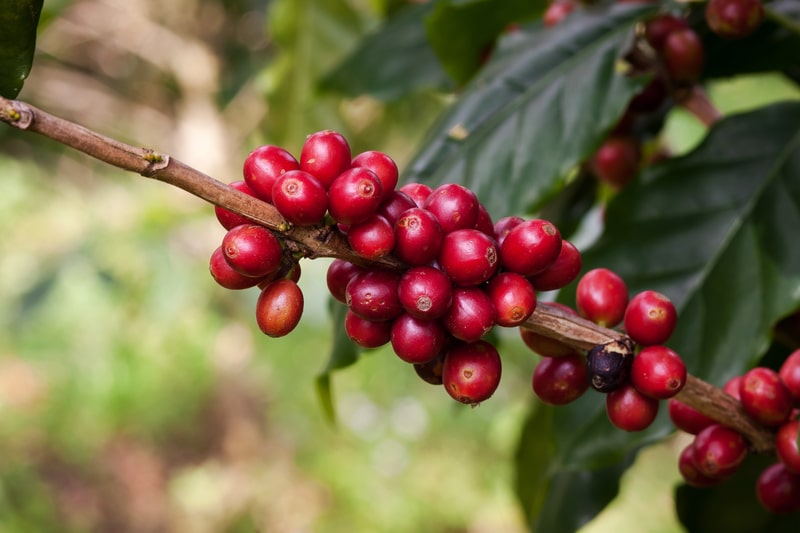
Why This Matters to Us: Coffee Is a Plant, Not a Drug
This is the part of the statement we find most interesting, because it validates something naturopathic medicine has argued for a long time.
Coffee is not liquid caffeine. It’s a complex botanical matrix containing more than a thousand biologically active compounds — chlorogenic acids, diterpenes, melanoidins, trigonelline, plus minerals including magnesium and chromium. Many of the benefits above appear to come from these constituents rather than from caffeine itself.
The clearest illustration is the diabetes finding. In short-term laboratory conditions, coffee actually impairs glucose tolerance — which should predict worse outcomes. Yet long-term studies consistently show reduced risk. The AHA authors attribute this to the non-caffeine components, particularly chlorogenic acid’s effect on insulin sensitivity, alongside the mineral content and likely effects on the gut microbiome.
The contrast with synthetic caffeine could not be sharper. Energy drinks, pre-workout powders, and caffeine pills deliver concentrated, isolated caffeine — and the benefits do not carry over. Energy drinks produce meaningful acute rises in both systolic and diastolic blood pressure in healthy adults. The medical literature contains case reports of young, otherwise healthy people experiencing ventricular fibrillation and sudden cardiac arrest after consuming highly concentrated energy drinks.
Same molecule. Entirely different outcome. The whole plant behaves differently than the extracted constituent — which is, in essence, the argument for whole-food and whole-herb medicine.

How You Brew It Changes What It Does
Unfiltered coffee — French press, Turkish, Greek, Scandinavian boiled — contains cafestol, a diterpene shown in double-blind randomized trials to raise LDL cholesterol.
Run that same coffee through a paper filter, and the cafestol is trapped. Filtered and instant coffee have essentially no effect on cholesterol.
If your lipid panel is something we’re actively working on together, this is a genuinely simple lever: keep the coffee, change the filter. Metal mesh and permanent filters do not trap cafestol the way paper does.
Bio-Individuality Is Not a Metaphor Here
If you have ever wondered why an afternoon coffee ruins your sleep while your partner drinks espresso after dinner and sleeps fine, there is a concrete answer.
Caffeine is metabolized almost entirely by a single liver enzyme, CYP1A2. Depending on which genetic variant you carry, caffeine’s half-life ranges from roughly 2 hours to 12 hours.
That’s a sixfold difference in how long a dose stays active in your system. It means population-level averages — including every number in the table above — are averaging across people with fundamentally different biology. If coffee makes you jittery, disrupts your sleep, or worsens anxiety, that is real information about your physiology, not a failure of willpower. The research does not say everyone should drink coffee. It says coffee is not the cardiovascular villain it was assumed to be.
Where Caution Still Applies
The AHA statement is not a blanket endorsement, and neither is this article. From the statement itself:
- While coffee appears neutral-to-protective for atrial arrhythmias, randomized trials confirm it increases premature ventricular contractions (PVCs). If you experience ventricular ectopy, coffee may still be a trigger for you.
- Blood pressure behaves differently in habitual versus occasional drinkers. Caffeine-naive individuals show a predictable spike; habitual drinkers do not.
- Almost all of this evidence is observational, drawn from coffee and tea drinkers — which brings a “healthy user effect” that no study fully resolves.
From our own clinical practice, additional considerations:
- Sleep architecture. Even when caffeine doesn’t prevent you falling asleep, it can reduce deep sleep. Slow metabolizers may need a cutoff as early as noon.
- Anxiety and nervous system regulation. For patients we’re supporting through anxiety, panic, or HPA-axis dysregulation, coffee often warrants reduction regardless of cardiovascular data.
- Iron status. Coffee polyphenols inhibit non-heme iron absorption. If you’re managing low ferritin, separate coffee from iron-rich meals and supplements by at least an hour.
- Reflux, IBS, and gastritis. Cardiovascular benefit doesn’t override digestive symptoms.
- Pregnancy and breastfeeding. Different guidance applies — generally under 200 mg daily.
- Medications. Caffeine interacts with a range of drugs, including some antibiotics, thyroid medication, and stimulants. Bring your full medication and supplement list to your next visit.
- What’s in the cup. Four cups of coffee is one thing. Four large, flavoured lattes with syrup is a very different metabolic proposition.
What We’d Suggest
- If you enjoy coffee and tolerate it well — the evidence supports carrying on. Around 2–4 cups daily sits in the sweet spot across most outcomes.
- Switch to a paper filter if cholesterol is a concern. Small change, measurable effect.
- Skip the energy drinks. This is the one genuinely firm line in the statement.
- Notice your own response. Sleep quality, anxiety, palpitations, and digestion are better guides for you personally than any population average.
- If you were previously told to eliminate caffeine for a heart condition, this is worth revisiting.
Questions about how this applies to you? Bring it to your next appointment. If you’re working with us on cardiovascular risk, blood sugar regulation, sleep, or iron status, your coffee habit is a legitimate part of that conversation — and now we have better evidence to work with.
Source: American Heart Association Scientific Statement on coffee, caffeine, and cardiovascular health, published in Circulation, July 2026, as reported by Medscape. This article is general health information and is not a substitute for individualized medical advice. Please do not start, stop, or change any treatment based on this content without speaking to your healthcare provider.
