
Lyme Disease Awareness Month
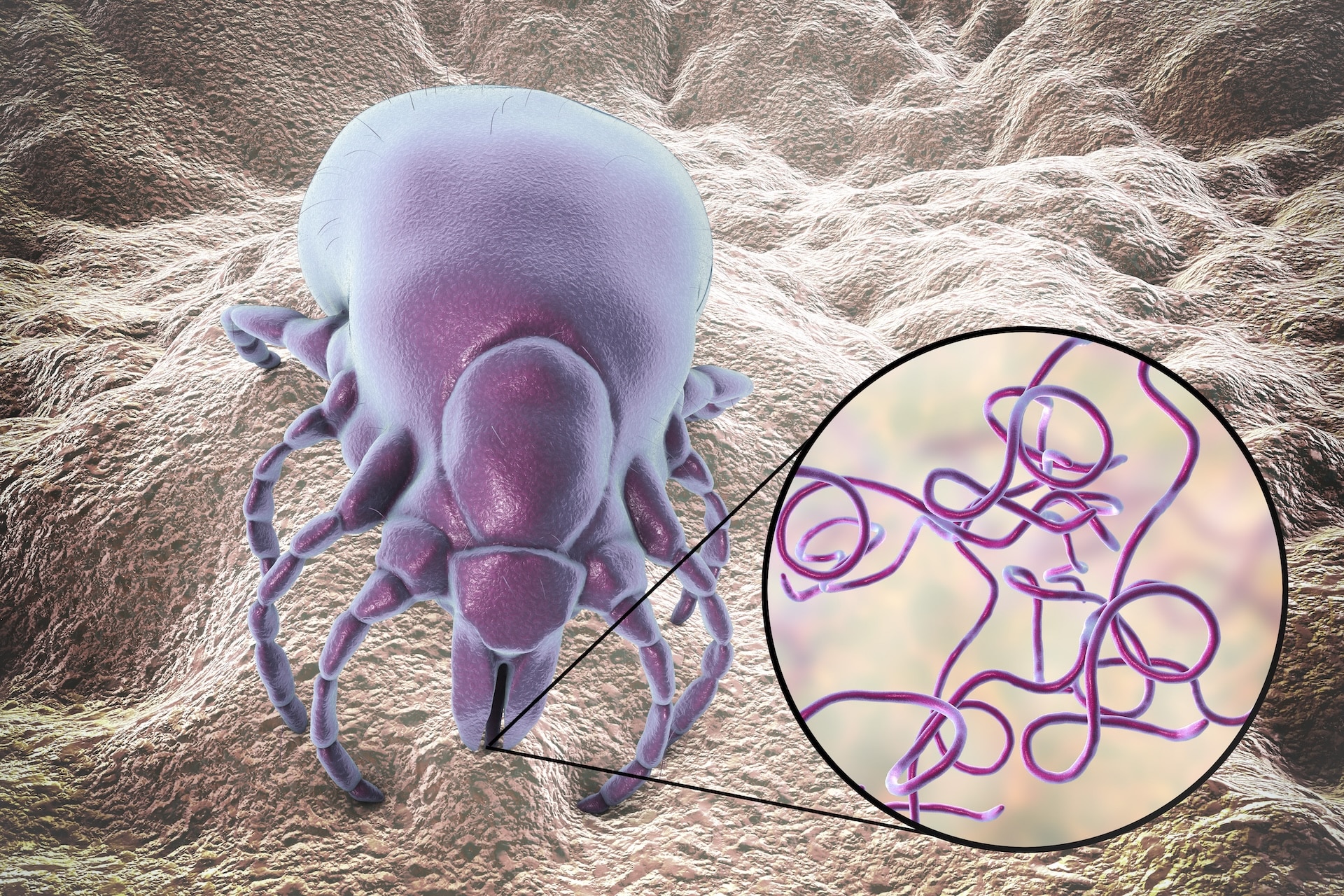
Lyme borreliosis, discovered in 1982 by Dr. Willy Burgdorfer, is caused by the spirochete Borrelia burgdorferi. Transmitted mainly by deer ticks and occasionally horseflies, this disease can cause severe multisystemic inflammation. While the classic bull’s-eye rash is a known early sign, it appears in only about 50% of infections. Symptoms may evolve into joint pain, neurological issues, and chronic inflammation affecting the heart, brain, and nervous system.
Recognizing Complexity: Co-Infections and Divergent Medical Views
ILADS (International Lyme and Associated Disease Society) promotes a research-based view recognizing persistent infection, co-infections, and alternate transmission methods. Diverging from conventional guidelines, which often dismiss persistent infection and limited treatment, ILADS supports extended care. Unfortunately, patients often fall between gaps in care, navigating a health system not fully aligned with emerging science.
Diagnosing Lyme Disease
Diagnosing Lyme disease requires a combination of lab testing and clinical evidence. There is no “one best test” to determine the presence of infection. Most often, combinations of tests are utilized to get the most accurate diagnosis.
Co-Infections
When a person is bitten by a tick, they are not only at risk of contracting Lyme disease, but also a number of other infections carried by ticks, commonly referred to as “co-infections.” Testing may be required for the following organisms:
- Babesia
- Bartonella
- Ehrlichia
- Anaplasma
- Rickettsia
Prevention Strategies
Preventing Lyme disease begins with reducing exposure to ticks and taking early action after potential exposure:
- Avoid wooded and brushy areas with high grass, especially in spring and summer.
- Walk in the center of trails when hiking.
- Use insect repellents containing DEET or permethrin-treated clothing.
- Perform thorough tick checks on yourself, children, and pets after spending time outdoors.
- Shower soon after being outdoors to help remove ticks before they attach.
- Remove ticks promptly with fine-tipped tweezers, grasping close to the skin and pulling steadily.
- Monitor the bite site for signs of rash or infection.
Tick Testing
If you have found a tick and removed it, testing the tick itself can provide the most comprehensive early insight. Testing the tick does not substitute a medical consultation or diagnosis, but it does provide detailed, individualized information about the pathogens your tick may carry. Testing the tick can determine the tick species, feeding time, and specific pathogens it carries—including bacteria, viruses, or protozoa—which may inform your doctor’s treatment decisions.
While blood tests may take weeks to show results, directly testing the tick can provide highly accurate results—often within the same day of receiving the tick. This testing can significantly reduce uncertainty and help protect against illness more effectively.
Reported vs. Actual Cases
Canada reported 3,147 Lyme cases in 2021, but true numbers are likely much higher. The U.S. CDC estimates 476,000 cases are treated annually. Canadian surveillance is limited, and testing criteria are restrictive. Birds and animals expand tick habitats into new regions, requiring consideration of both travel and nearby endemic areas.
Innovative Testing Methods
EliSpot: This advanced T-cell assay detects Borrelia, Babesia, Bartonella, Ehrlichia, EBV, and more with high sensitivity—detecting one reactive T-cell in 100,000. It helps assess active/chronic infection and monitor treatment response.
iSpot Assay: A two-color EliSpot, measuring IFN-γ (acute infection) and IL-2 (immune memory), offers a nuanced immune profile during or after infection. It enables better diagnostics for chronic and active infections.
TickPlex Plus: An ELISA-based immunoassay testing IgM/IgG antibodies for persistent Borrelia and co-infections including Mycoplasma, Rickettsia, and viral pathogens. With 95% sensitivity and 98% specificity, it supports diagnosis at various disease stages.
Lyme disease and its co-infections are complex and underreported. More research, inclusive diagnostics, and individualized treatment approaches are urgently needed. Stay informed, stay protected—and advocate for better care this Lyme Disease Awareness Month.
