
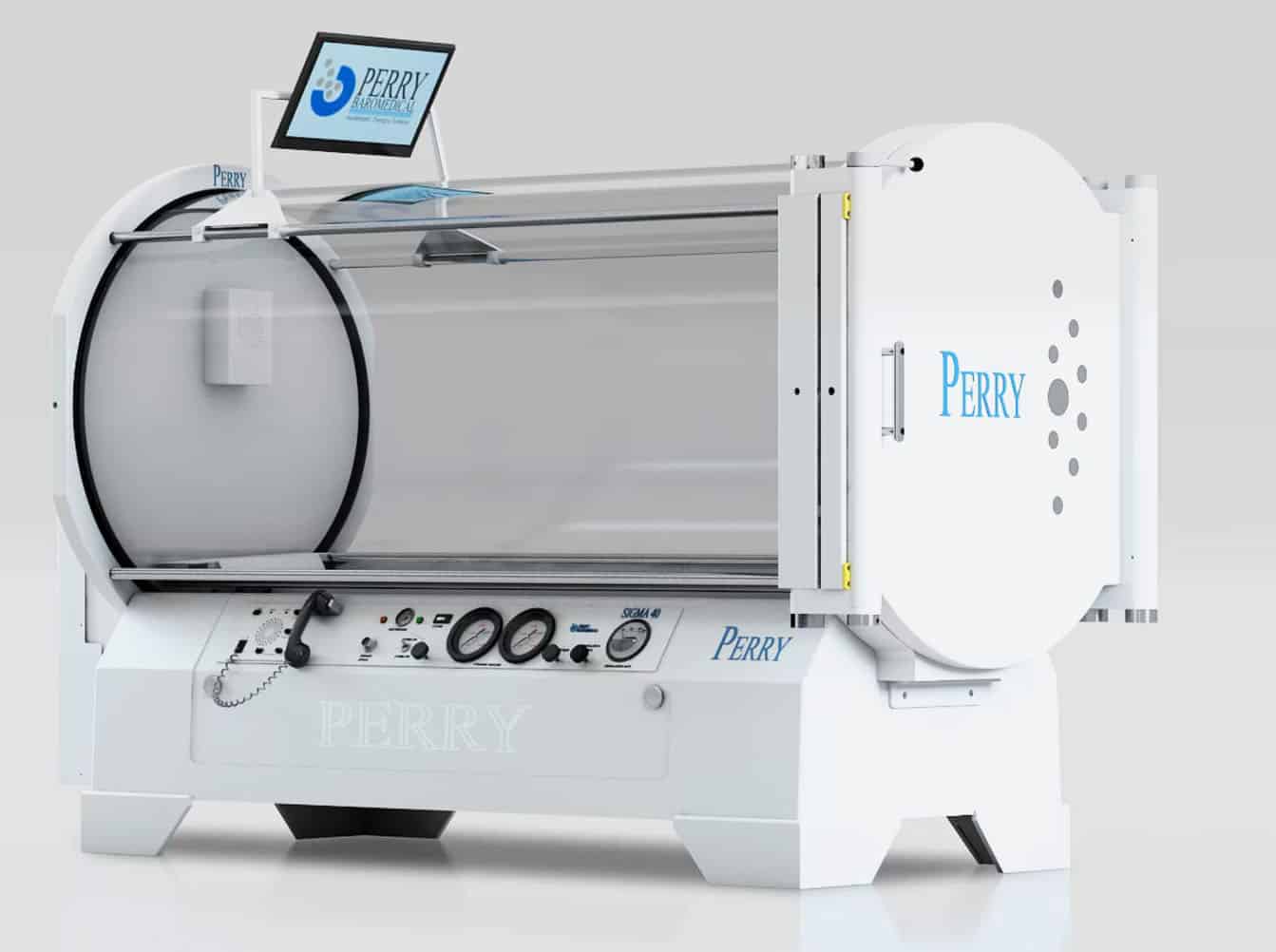
A new peer-reviewed review suggests that hyperbaric oxygen therapy (HBOT) may help conventional cancer treatments work better by tackling one of their biggest obstacles: low oxygen inside tumors. Published in Biomedicine & Pharmacotherapy (December 2025) by researchers at West China Hospital, Sichuan University, the paper pulls together laboratory and clinical findings on how HBOT interacts with chemotherapy, radiation and immunotherapy.
What is hyperbaric oxygen therapy?
During HBOT, you breathe 100% oxygen inside a chamber pressurized above normal air pressure, typically 1.5 to 3 atmospheres. The pressure forces far more oxygen to dissolve directly into the liquid part of your blood (plasma), rather than relying only on red blood cells to carry it.

The numbers are striking. On normal room air, arterial oxygen sits around 75–100 mmHg; under HBOT it can reach about 2,000 mmHg. The review notes that oxygen delivery to tissues can rise roughly 20-fold, and that dissolved oxygen can diffuse into areas red blood cells can’t easily reach.
HBOT is already an established treatment for carbon monoxide poisoning, decompression sickness, chronic non-healing wounds and radiation injury. Its role in cancer care is newer and still being studied.
Why oxygen matters inside a tumor
Many solid tumors are oxygen-starved at their core, and that low-oxygen state (hypoxia) is a major reason treatments fail. Once a tumor grows beyond roughly 1–2 mm³, its blood supply can’t keep up, leaving the center short of oxygen and nutrients.
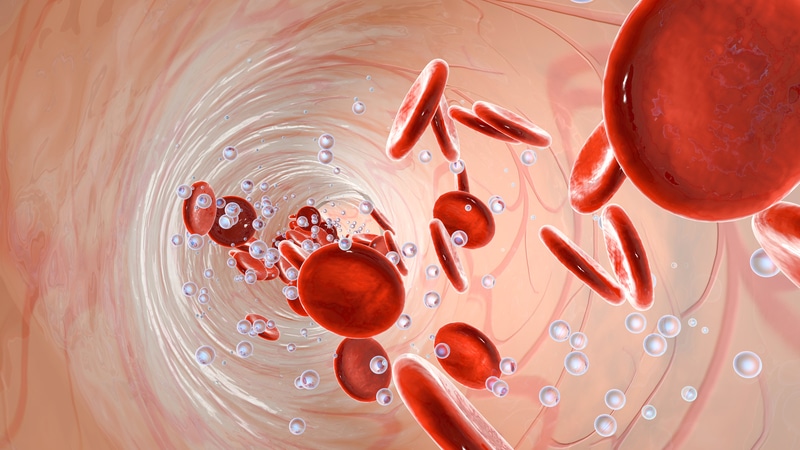
According to the review, hypoxia works against patients in several ways:
- Radiation resistance. Radiation damages cancer DNA largely through oxygen-dependent reactions, so oxygen-poor cells are harder to kill.
- Chemotherapy resistance. Hypoxia switches on survival signals (HIF-1α) and helps build dense, scar-like tissue around tumors that can limit how far drugs penetrate, often only about 200 micrometres.
- Immune suppression. Low oxygen weakens the T cells that immunotherapy relies on and can blunt drugs like PD-1 inhibitors.
- Spread and recurrence. Hypoxia supports cancer stem cells, which are linked to metastasis and relapse.
How HBOT may support standard cancer treatment
The review is clear that HBOT on its own has limited effect on tumors; its promise lies in making other treatments work better.
With chemotherapy. In laboratory and animal studies, HBOT lowered hypoxia signaling, reduced the collagen barrier around tumors, and improved drug uptake. Combinations with cisplatin and 5-FU slowed tumor growth more than the drugs alone. HBOT may also restore ferroptosis, an iron-dependent form of cell death that hypoxia tends to block.
With radiation. This is where human data are strongest. In one study of patients with a single brain metastasis, adding HBOT to whole-brain radiotherapy raised the overall response rate from 67.4% to 95.3%. A glioblastoma study combining HBOT, IMRT and chemotherapy reported 46.5% two-year survival and a median survival of 22.1 months, without extra severe toxicity. HBOT is also used to ease late radiation side effects such as breast fibrosis and pain, and radiation cystitis.
With immunotherapy. In animal models, HBOT helped PD-1 antibodies and T cells penetrate tumors, reduced stromal barriers, and supported lasting immune memory. These results are promising but have not yet been confirmed in large human trials.
What this means for you
HBOT is best understood as a possible teammate to proven cancer treatments, not a replacement for them. If you’re curious whether it could fit into your care, a few steps help:
- Bring your full treatment plan, including all radiology and lab tests, and chemotherapy, radiation, immunotherapy, surgery plans, with their respective schedules, to the consult.
- Ask how HBOT sessions would be timed around chemotherapy, radiation or immunotherapy.
- Keep your health care team in the loop so everyone on your team is working from the same plan.
At the Nardella Clinic, we follow emerging research closely so we can talk through it honestly with you.
Wondering whether HBOT fits into your cancer care? We’re here to help.
HBOT is one piece of a larger picture. Your type of cancer, the treatments you’re getting, where you are in your treatment schedule and any late side effects from radiation all affect whether hyperbaric oxygen therapy makes sense for you. It’s meant to support conventional cancer treatment, not replace it.
Book a consultation with the naturopathic doctors at the Nardella Clinic to review your treatment plan, discuss whether HBOT fits your situation and build a session schedule that works around your chemotherapy, radiation or immunotherapy.
Related reading
- Hyperbaric Oxygen Therapy (HBOT) Special Focus
- Treatment of Glioblastoma with the Ketogenic Diet
- Naturopathic Integrative Cancer Therapy Promotes Better Outcomes
Source: Meng Y, Zhou L, Xia Y, Jia C, Huang L. Breaking the hypoxia barrier: Advances and challenges of hyperbaric oxygen therapy in cancer treatment. Biomedicine & Pharmacotherapy. 2025;193:118703. Open access under a CC BY 4.0 license.
This article is for general education only and is not medical advice. HBOT is not a standalone cancer treatment.
