
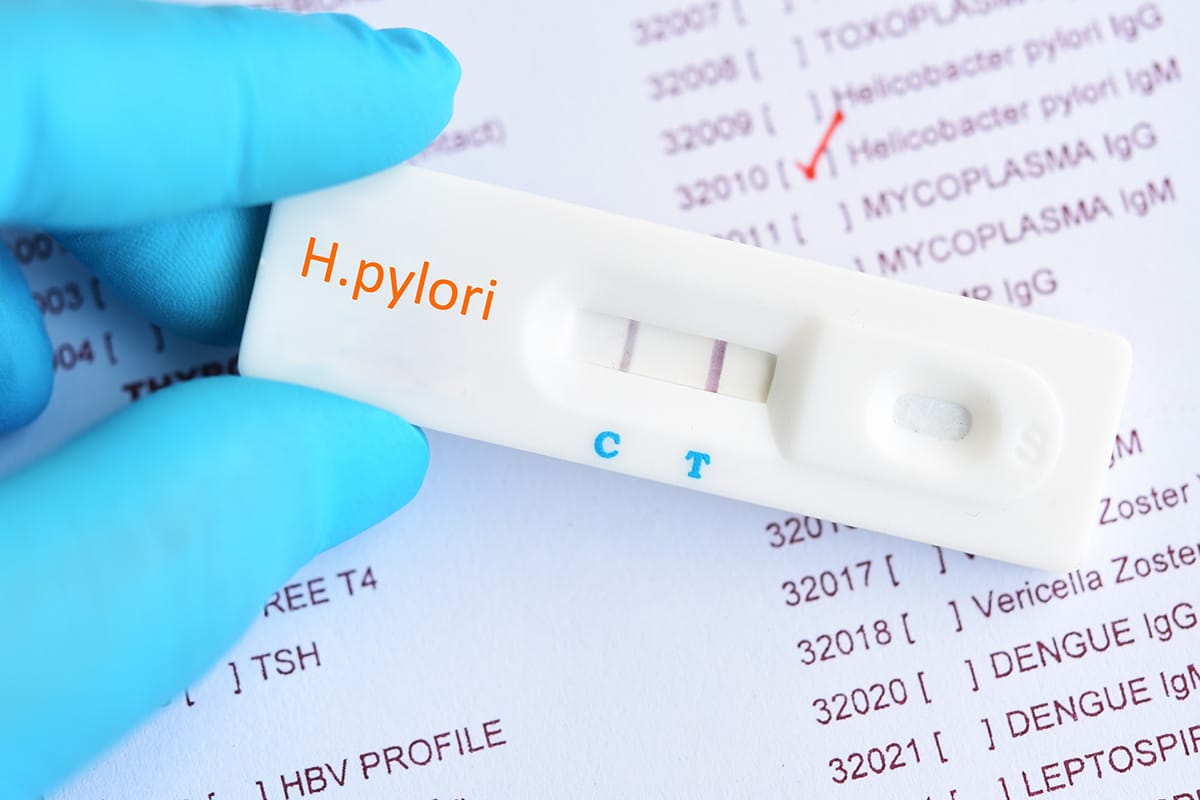
What is Helicobacter pylori?
Helicobacter pylori (H. pylori) is a spiral-shaped bacterium that infects the stomach lining and is a leading cause of gastritis, peptic ulcers, and even gastric cancer in severe cases. Approximately half of the world’s population is infected by H. pylori, though many individuals remain asymptomatic. Recognizing and addressing this infection early can prevent complications and improve gastrointestinal health. In Canada, it is estimated that 20-30% of the population is infected with H. pylori.
Why Should You Be Concerned About H. pylori?
H. pylori infections can lead to a variety of gastrointestinal issues, including:
- Gastritis: Inflammation of the stomach lining.
- Peptic Ulcers: Painful sores in the stomach or duodenum.
- Gastric Cancer: A long-term consequence of untreated infections in some individuals.
- Dyspepsia: Chronic indigestion and discomfort.
The symptoms of H. pylori infection may include:
- Abdominal pain or discomfort.
- Bloating and belching.
- Nausea and vomiting.
- Loss of appetite and unexplained weight loss.
Who Should Be Tested?
Early detection and treatment can significantly reduce the risk of severe complications.
Testing is recommended for individuals with:
- Persistent symptoms of indigestion or gastritis.
- A history of peptic ulcers or family history of gastric cancer.
- Unexplained iron deficiency anemia or low platelet count.
- Long-term use of non-steroidal anti-inflammatory drugs (NSAIDs).
Testing for H. pylori at the Nardella Clinic
Comprehensive H. pylori DNA Profile
- Utilizes the latest Real-Time qPCR Molecular Technology for advanced DNA-based testing.
- Offers significant advantages over other methods by identifying H. pylori antibiotic resistance genes and virulence factors.
- Includes phenotypic antibiotic resistance testing to guide treatment protocols and improve patient outcomes.
- Virulence factor testing helps identify symptoms linked to H. pylori and assesses its potential to cause disease.
Natural Treatment Options for H. pylori
In addition to conventional medical treatment, natural remedies and in office treatments may help manage H. pylori infections. These remedies should be used in consultation with your naturopathic doctor to complement your treatment plan:
Prevention Tips
- Practice good hygiene: Wash hands thoroughly with soap and water before eating and after using the restroom.
- Consume food and water from safe, clean sources.
- Avoid sharing utensils or eating from the same plate as someone who may be infected.
