
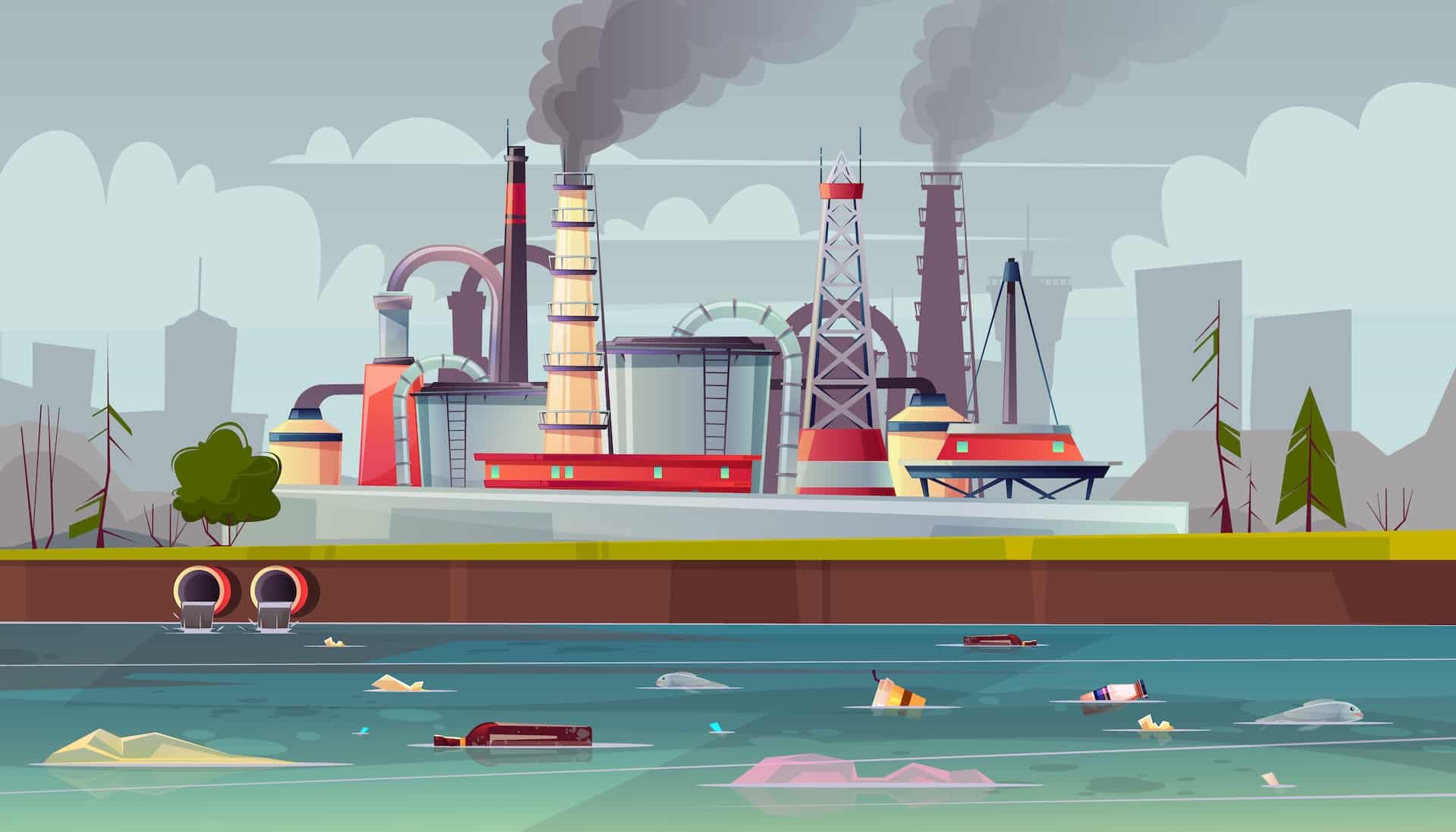
Environmental Toxins: We are exposed to thousands of chemicals daily—many of them toxic—through the food we eat, the air we breathe, the water we drink, and the products we use. Even small daily exposures accumulate over time, especially in fat tissue, eventually disrupting our body’s systems. Toxic metals are non-degradable and bioaccumulate, meaning they can remain in the body for years and interfere with normal function. The cumulative effects of multiple low-level exposures may be synergistic, creating greater harm than any single source.
Common Chronic Health Conditions Linked to Heavy Metal Exposure:
- Cancer
- Diabetes
- Neurological and developmental disorders
- Hormonal dysfunction
- Autoimmune diseases
- Infertility and immune suppression
| Toxic Metal | Associated Health Concerns |
|---|---|
| Lead | Neurodevelopmental delays, lowered IQ, hypertension, kidney damage |
| Mercury | Neurological disorders, tremors, memory loss, developmental delays |
| Arsenic | Skin lesions, cancer, cardiovascular disease, diabetes, reproductive toxicity |
| Cadmium | Kidney disease, bone damage, cancer, respiratory issues |
| Nickel | Dermatitis, lung cancer, allergic reactions, kidney toxicity |
| Aluminium | Neurotoxicity, bone disease, Alzheimer’s (possible link) |
| Chromium | Lung cancer, skin ulcers, kidney and liver damage (hexavalent chromium) |
Wildfires and Water: A Growing Environmental Source
Wildfires, increasingly common due to climate change, release arsenic, vanadium, iron, nickel, and other metals into the air, which later settle into soil and water. After rainfall, these metals contaminate surface water and are taken up by fish and crops, leading to human exposure through food and water.
Measured Increases After Wildfire:
- Soil: Vanadium (+340%), Nickel (+260%), Arsenic (+110%)
- Water: Iron (+740%), Vanadium (+530%), Aluminium (+510%)
Wildfire-affected waters have been linked to DNA damage and oxidative stress in aquatic life, and present risks to humans through ingestion.
Contaminated Foods: Heavy metals are commonly found in:
| Metal | High-Risk Foods |
|---|---|
| Cadmium | Leafy greens, rice, cocoa, shellfish |
| Arsenic | Brown rice, rice milk, seafood |
| Lead | Root vegetables, wild game, imported spices |
| Mercury | Tuna, swordfish, mackerel, shark |
| Nickel | Nuts, legumes, whole grains, chocolate |
- A Danish study showed 60% of diets exceed the tolerable daily intake for cadmium, and 33% for arsenic.
- Plant-based diets may carry higher risks of cadmium and nickel intake due to soil uptake.
Toxic Metals in Cosmetics, Dishes, Spices & Everyday Items
We absorb heavy metals not only through food and water, but also through our skin and mucosal membranes.
Personal Care & Beauty Products:
- Lead is found in some lipsticks and eyeliners.
- Cadmium, chromium, and arsenic are detected in makeup (especially colored products).
- Absorption risk is high for products applied near eyes or on broken skin.
Dishes and Cookware:
- Older ceramic, glazed, or imported dishes may leach lead and cadmium—especially when used for hot, acidic foods.
- Handmade or brightly colored pottery may be especially risky if not labeled as food safe.
Spices:
- Imported spices like turmeric, chili powder, and paprika have tested positive for lead and arsenic, often due to contamination during drying or grinding.
- Lead chromate, used to enhance color, has been documented in some regions.
Tampons and Feminine Hygiene Products:
- A 2024 study found toxic metals in 100% of tampons tested, including lead, cadmium, and arsenic.
- Non-organic tampons had more lead, organic ones more arsenic.
Even low-level chronic exposures through these routes may pose long-term health risks, particularly for individuals with chronic illness or detoxification challenges.
What You Can Do
- Be mindful of your diet and vary your food sources to limit high-risk items.
- Choose consumer products from companies that prioritize ingredient transparency and safety testing.
- Filter your water, especially if you’re in an area prone to industrial runoff or wildfire impact.
- Test for toxic metals.
Testing for Toxic Metals
To uncover hidden metal burdens, we use advanced functional testing, tailored to your health concerns.
Chelation Challenge Urine Test
- A chelating agent (EDTA, DMPS, or DMSA) mobilizes metals from tissue stores.
- Post-chelation urine analysis reflects net retention of stored metals.
- Effective for identifying lead, mercury, cadmium, arsenic, and many more.
